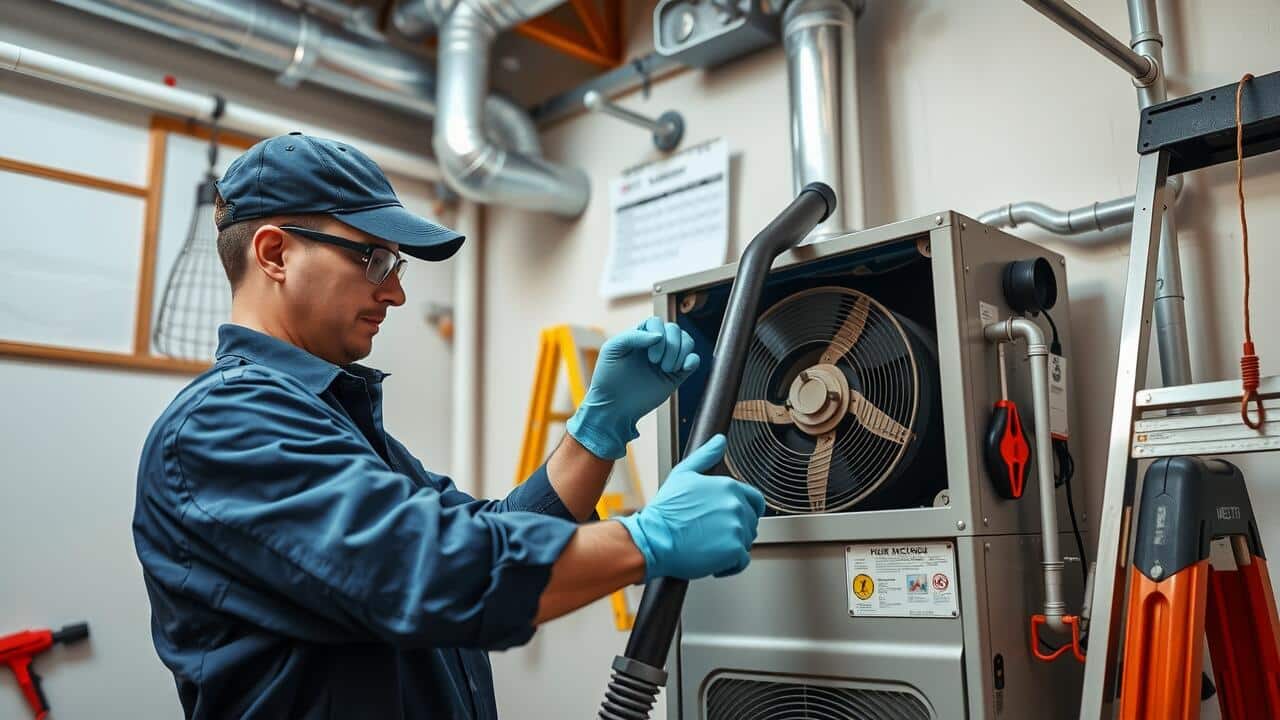
At One Step Air Duct Cleaning Lewisville TX, we specialize in comprehensive Air Handler Cleaning services designed to enhance the performance and efficiency of your HVAC system. Our skilled technicians meticulously clean the air handler components, including the blower fan, evaporator coil, and drain pan, to remove dust, debris, and allergens that can hinder airflow and reduce indoor air quality. By ensuring that your air handler operates at its best, we help prolong the lifespan of your HVAC system, reduce energy costs, and create a healthier environment for you and your family. Trust us to provide a thorough and reliable cleaning that keeps your home comfortable and safe year-round.
Impact of Dirty Coils on Air Quality
Dirty coils can significantly reduce the efficiency of an HVAC system. The evaporator and condenser coils are critical components responsible for heat exchange in air conditioning units. When these coils become coated with dirt, dust, and debris, it can hinder the airflow needed for optimal operation. This buildup causes the system to work harder, leading to increased energy consumption and higher utility bills.
The impact on indoor air quality can be severe. As coils obstruct airflow, they struggle to effectively remove humidity from the air, creating a breeding ground for mold and bacteria. Contaminants can be recirculated throughout the living space, exacerbating allergies and respiratory issues. Regular maintenance and cleaning of the coils help ensure that the system runs efficiently and promotes a healthier indoor environment.
Understanding Coil Functionality
Coils play a crucial role in the air handler system for effective heat exchange. The evaporator coil absorbs heat from the indoor air, while the condenser coil releases it outside. This transfer of heat is pivotal for both cooling and dehumidification processes within a home. When these coils become dirty or clogged with contaminants like dust and mold, their ability to transfer heat diminishes. This can lead to inefficient cooling, increased humidity levels, and ultimately, uncomfortable indoor conditions.
Regular cleaning of coils not only enhances their efficiency, but it also prolongs the lifespan of the air handler. Without maintenance, buildup can lead to wear on components like blower fans and switches, increasing the likelihood of water damage and mold growth within the system. Ensuring proper airflow and heat transfer requires diligent attention to coil functionality, as neglect can create a domino effect of issues, impacting both comfort and energy costs.
How to Perform a DIY Air Handler Clean
Cleaning an air handler requires careful attention to detail and a few essential tools. Begin by turning off the power to the unit to prevent any electrical shock during the cleaning process. Gather safety gear, including goggles and gloves, to protect yourself from debris and cleaning agents. Use a vacuum with a hose attachment to remove dust and dirt from accessible vents. A soft-bristle brush can help dislodge any stubborn particles from the coils and surrounding areas. Pay special attention to the fins and ensure they are straightened to enhance airflow.
Once the initial cleaning is complete, consider checking the condensation drain for any clogs. Clear away any debris that may accumulate around the drain line, as this can lead to water damage or mold growth. Use a mixture of water and a mild cleaning solution to wipe down the exterior surfaces. For tougher grime, a more potent cleaning agent may be necessary; however, always check for compatibility with the materials of your unit. Regular maintenance not only enhances air quality but also prolongs the life of your heating and cooling systems.
Step-by-Step Cleaning Process
Start by turning off the power to the air handling unit at the circuit breaker. This is crucial to prevent electrical shock during the cleaning process. Remove access panels carefully to avoid damaging any components. Use a power washer or a vacuum with a brush attachment to clean the coils. Be gentle to avoid bending the delicate fins. For thorough cleaning, apply a coil cleaner specifically designed for HVAC systems, letting it sit for the recommended time before rinsing it off with water.
Next, focus on the air filters and ducts. Remove and clean or replace the filters, which can be a significant contributor to poor indoor air quality. Inspect the ductwork for any debris or mold. If necessary, use a hose attachment to vacuum out dust and allergens nesting in the pipes. Check for any signs of ice buildup on the coils or tubes, which may indicate issues with heat exchange. Ensure everything is thoroughly dry before reassembling the air handling unit to prevent moisture-related damage.
Benefits of Regular Air Handler Maintenance
Regular maintenance of air handlers can significantly enhance air quality within a home. Clean coils and components help to eliminate harmful bacteria, allergens, and dust particles that often circulate through the air. By ensuring that these systems operate at peak efficiency, homeowners can prevent the buildup of pollen and other pollutants that can exacerbate respiratory issues. This proactive approach not only promotes a healthier living environment but also prolongs the lifespan of the air handling unit.
In addition to improving air quality, routine maintenance translates to lower energy bills. A well-maintained air handler consumes less energy, reducing utility costs over time. Neglecting regular cleanings can lead to increased wear on mechanical components. Consequently, this can result in costly repairs or replacements down the line. Investing in preventative maintenance minimizes these risks, ensuring both financial savings and consistent performance during the hottest and coldest months of the year.
Cost Savings on Energy Bills
Regular maintenance of an air handler can lead to significant cost savings on energy bills. When coils and filters are clean, the system operates more efficiently, reducing the energy consumption required to heat or cool a space. Contaminants like dust, mold, and rust can impede airflow, forcing the heating system to work harder than necessary. By taking action to clean these components, homeowners can easily improve their system’s efficiency and lower their overall energy use.
Investing in periodic air handler cleaning not only enhances system performance but also extends the lifespan of the equipment. When technicians perform regular maintenance, they identify potential problems early on, which can prevent costly repairs down the line. This proactive approach translates to savings, as consumers enjoy both immediate reductions in energy bills and prolonged functionality of their heating and cooling systems.
FAQS
What is an air handler and what does it do?
An air handler is a component of an HVAC system that is responsible for circulating air throughout a building. It contains the blower, heating and/or cooling elements, and filters to ensure the air is properly conditioned before being distributed.
Why is it important to clean the coils in an air handler?
Cleaning the coils in an air handler is essential because dirty coils can lead to decreased efficiency, increased energy consumption, and poorer indoor air quality. It can also cause the system to work harder, potentially leading to more frequent repairs and a shorter lifespan for the unit.
How often should I clean my air handler?
It is recommended to clean your air handler at least once a year, ideally before the heating or cooling season begins. However, if you have pets or live in a dusty environment, more frequent cleaning may be necessary.
Can I clean the air handler myself?
Yes, you can perform a DIY air handler cleaning following a step-by-step process. However, it’s important to take proper safety precautions and ensure that you’re comfortable working with electrical components and equipment. If in doubt, it may be best to hire a professional.
What are the benefits of regular air handler maintenance?
Regular air handler maintenance can lead to improved air quality, increased energy efficiency, reduced utility bills, and a longer lifespan for your HVAC system. It also helps in identifying potential issues before they become major problems.