Table Of Contents
Step-by-Step Mold Remediation Process
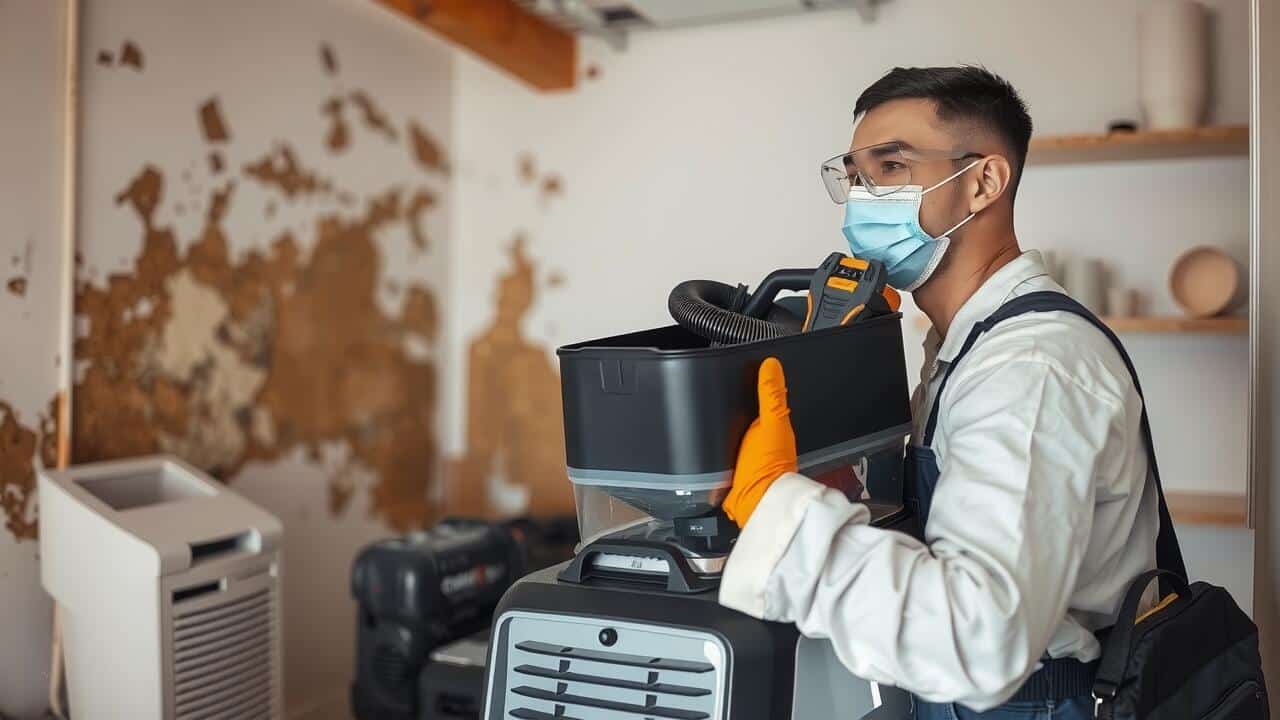
The initial step in mold remediation involves assessing the extent of the mold growth and identifying the source of moisture contributing to the problem. It’s important to wear protective gear such as gloves, goggles, and a mask during this assessment. Inspect all areas where mold is likely to thrive, including basements, bathrooms, and behind appliances. Document the locations and severity of the mold, as this information will be crucial for effective remediation.
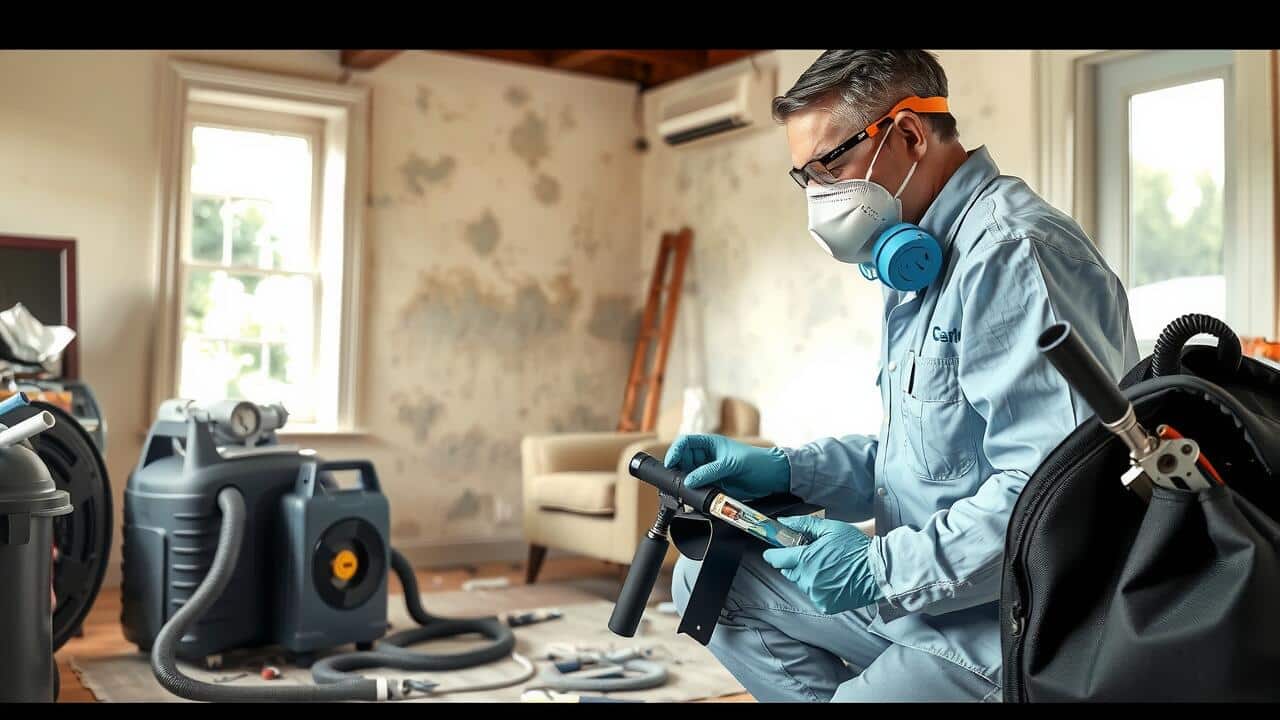
Once the assessment is complete, the next phase includes containment of the affected area to prevent spores from spreading during the cleanup process. This may involve sealing off the area with plastic sheets and using fans to direct airflow outside. Following containment, thorough removal of moldy materials, such as drywall or carpet, may be necessary. Surfaces that are not heavily damaged can often be cleaned with a mixture of water and detergent or a commercial mold remover. After cleaning, it is essential to dry the area completely to discourage future mold growth.
Detailed Instructions for Safe Removal
When undertaking mold remediation, it is essential to prioritize safety and wear proper protective gear. Start by donning gloves, goggles, and an N95 respirator mask to prevent inhalation of mold spores. Ensure the area is well-ventilated by opening windows and using fans to facilitate air circulation. If you are dealing with a small patch of mold, a mixture of water and dish soap can effectively help scrub it away. For more stubborn cases, consider using a solution of water and bleach in a ratio of 1:10. Avoid mixing bleach with other cleaning agents, as this can produce harmful fumes.
After removing visible mold, it’s crucial to address the underlying moisture problem to ensure successful mold remediation. Dry the affected area thoroughly after cleaning to minimize the chance of mold returning. Incorporate dehumidifiers in damp areas and check for leaks in plumbing or roofing. Continuous monitoring and timely repairs will help keep mold at bay. By managing the environment and addressing sources of moisture, you can significantly reduce the likelihood of future mold growth.
Preventing Future Mold Growth
Preventing future mold growth involves several proactive steps that can significantly reduce the risk of mold development in your home. Maintaining proper ventilation in areas prone to moisture, such as bathrooms and kitchens, plays a crucial role. Installing exhaust fans can help dissipate humidity. Additionally, sealing any leaks in your plumbing or roofing will prevent water accumulation. Regular inspections of hidden spaces, such as attics and basements, can also aid in early detection of mold issues, ensuring timely mold remediation if necessary.
Another key prevention strategy is controlling indoor humidity levels. Keeping humidity between 30% and 50% can inhibit mold growth. Using dehumidifiers in damp areas can help maintain these levels. Incorporating moisture-absorbing materials, like silica gel or activated charcoal, can further assist in moisture management. It’s essential to address any water damage immediately to prevent mold spores from taking hold. These steps are integral to a comprehensive approach to mold remediation and long-term mold prevention.
Effective Moisture Control Strategies
Controlling moisture is essential in preventing mold growth. Keeping humidity levels below 60% can significantly reduce the chance of mold taking hold in your home. Use dehumidifiers in damp areas such as basements and bathrooms. Proper ventilation in these spaces can also help divert excess moisture. Ensure that dryer vents lead outdoors, and consider using exhaust fans during and after showers or cooking.
Regular maintenance of your home’s plumbing system can prevent leaks that contribute to moisture accumulation. Inspect pipes for any signs of water leakage and repair them promptly. Additionally, ensure gutters and downspouts are clean and directing water away from the foundation. These moisture control strategies not only diminish mold risks but also support effective mold remediation when required.
Understanding Different Types of Mold
Mold is a diverse group of fungi that can be found in various indoor environments. Understanding different types of mold is crucial for effective mold remediation. Common indoor molds include Aspergillus, Penicillium, and Stachybotrys, often referred to as black mold. Each type has distinct characteristics and can pose different health risks. For instance, while Penicillium can lead to allergic reactions, Stachybotrys is linked to more severe respiratory issues, making identification an essential step in addressing mold problems.
Recognizing the appearance and growth conditions of these molds can help homeowners take informed action. Environmental factors such as humidity, temperature, and moisture levels influence mold growth. Familiarity with these conditions aids in developing targeted strategies for mold remediation. Proper identification allows for a more tailored approach to removal and prevention, ensuring a healthier living space free from mold-related hazards.
Common Mold Species Found Indoors
Understanding the common mold species found indoors is essential for effective mold remediation. One frequent offender is Stachybotrys chartarum, commonly known as black mold. It thrives in damp or water-damaged areas, often appearing as dark greenish-black patches. This type of mold can produce mycotoxins, which may lead to health issues if inhaled or touched.
Another common indoor mold is Aspergillus, which comes in various species and often appears as a green or yellowish fuzzy growth. Aspergillus can be found in a variety of household materials, especially in areas with poor ventilation and moisture. Recognizing these molds is vital not only for remediation efforts but also for maintaining a safe living environment. Proper identification helps homeowners take the necessary steps to eliminate mold before it spreads.
FAQS
Can I completely remove mold myself, or should I hire a professional?
While small mold infestations can often be remediated by homeowners using proper techniques and safety precautions, larger infestations or types of mold that are toxic may require the expertise of a professional remediation service.
What safety precautions should I take when remediating mold?
When remediating mold, wear protective gear such as gloves, goggles, and an N95 respirator mask. Additionally, ensure good ventilation in the area by opening windows and using fans, and consider sealing off the affected area to prevent spores from spreading.
What materials do I need for DIY mold remediation?
You will typically need materials like mold removal solution (commercial or homemade with vinegar or baking soda), scrubbing brushes, sponges, protective gear, and possibly a HEPA vacuum for thorough cleaning.
How can I prevent mold from returning after remediation?
To prevent mold from returning, control moisture levels by fixing leaks, using dehumidifiers, ensuring proper ventilation, and keeping humidity levels below 50% in your home.
What types of mold are most commonly found indoors?
Common indoor mold species include Aspergillus, Cladosporium, Penicillium, and Stachybotrys (black mold). Each type can have varying effects on health, so identifying the type can be important for remediation efforts.