Table Of Contents
Choosing the Right Air Filter
Selecting the appropriate air filter is crucial for maintaining optimal air quality and HVAC system performance. Consider the type of filter that best suits your needs, such as HEPA filters for allergen reduction or pleated filters for improved airflow. Efficiency ratings, commonly measured by the Minimum Efficiency Reporting Value (MERV), can guide your choice. Higher MERV ratings indicate better filtration, but they may also restrict airflow in certain systems.
When planning for air filter replacement, it’s important to match the filter size and specifications with your HVAC system requirements. Ensure that the filter fits securely to prevent unfiltered air from bypassing it. A properly chosen filter not only enhances air purity but also contributes to the longevity of your heating and cooling equipment, reducing strain and improving energy efficiency. Regularly evaluating your filter options can help keep your environment comfortable.
Key Considerations for Selection
When selecting the right air filter, it is essential to consider the MERV rating, which measures the filter’s efficiency in capturing airborne particles. A higher MERV rating means better filtration, but it can also restrict airflow if the HVAC system isn’t designed for it. Choosing a filter with an appropriate balance between filtration efficiency and airflow ensures optimal performance and reduces strain on the system.
Another important factor to consider is the type of filter material. Fiberglass filters provide basic filtration at a lower cost, while pleated filters offer better performance by trapping smaller particles. If your home has specific needs, such as allergies or pet dander, investing in higher-quality filters can enhance air quality. Regular Air Filter Replacement with a suitable filter type can make a significant difference in maintaining a healthy indoor environment.
How to Change Your Air Filter
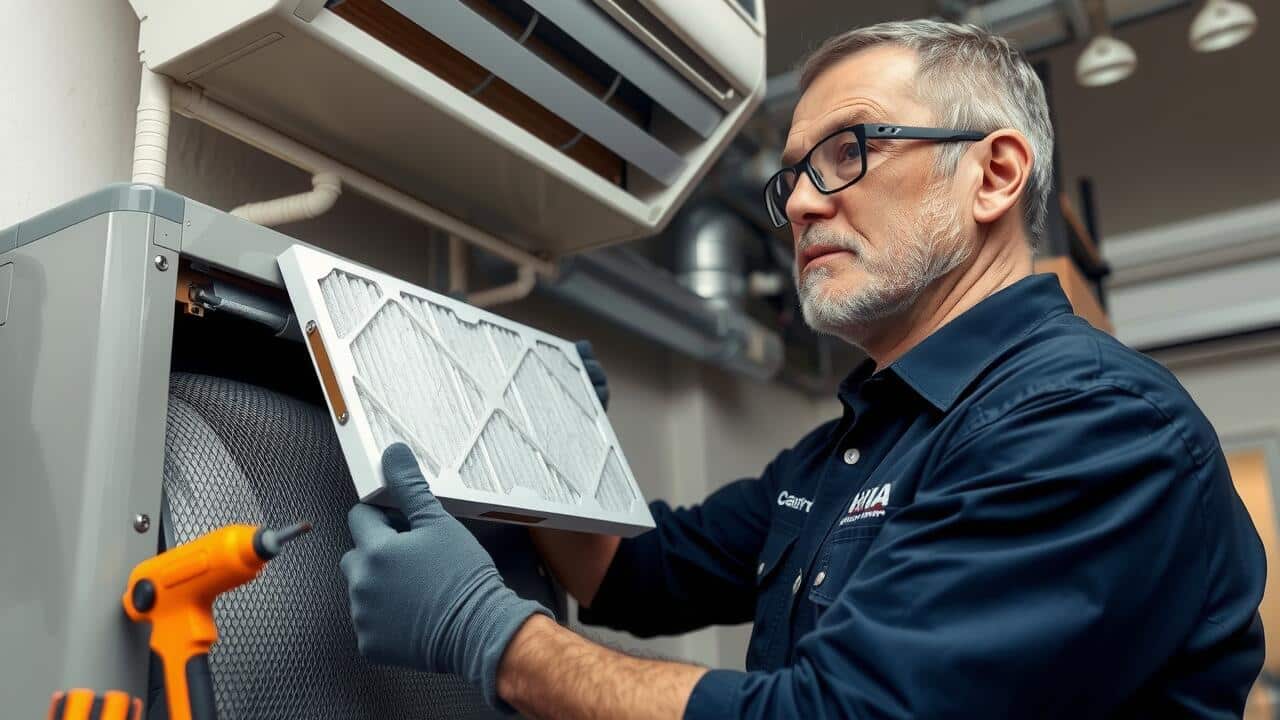
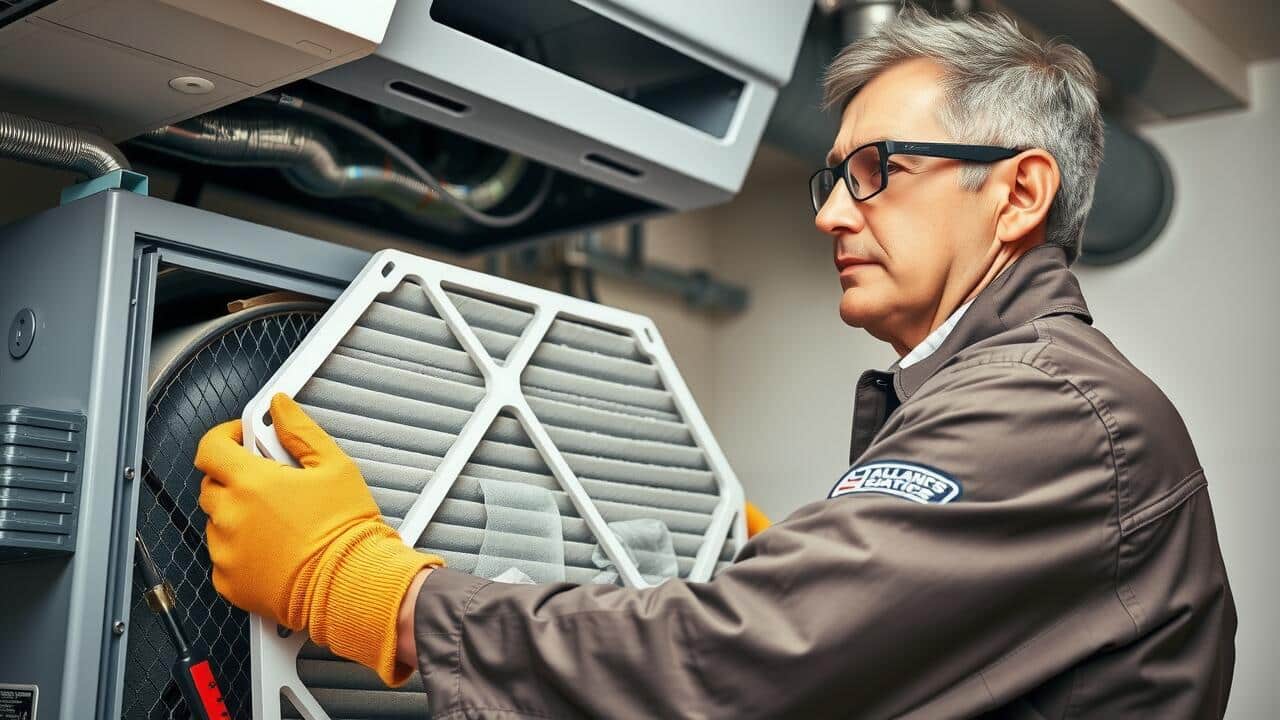
Changing your air filter is a straightforward process that can significantly improve your HVAC system’s performance. Start by turning off your heating or cooling unit to ensure safety throughout the replacement. Locate the air filter compartment, typically found near the air handler or inside the furnace or air conditioner. Remove the old filter gently, taking care not to damage any surrounding components. Check for any dust buildup in the compartment, as this can impact airflow and efficiency.
When purchasing a new filter, ensure it matches the size and type specified for your system. Insert the new filter into the compartment, paying attention to the direction arrows indicated on the filter frame. Proper orientation is crucial for optimal airflow. Once the filter is securely in place, close the compartment and turn the HVAC system back on. Regular air filter replacement is key to maintaining indoor air quality and extending the life of your heating and cooling systems.
Step-by-Step Replacement Process
Begin the air filter replacement process by gathering the necessary tools. Most commonly, you will need a new filter, a vacuum cleaner or cloth for dust removal, and a screwdriver if your filter slot requires one. First, turn off your HVAC system to ensure safety during the replacement. Next, locate the air filter compartment, which is usually found near the air handler or furnace. If the compartment is secured with screws, remove them carefully using your screwdriver.
Once the compartment is open, take out the old filter and dispose of it properly. Use your vacuum cleaner or cloth to clean the area where the filter sits, as this will help maintain the system’s efficiency. Insert the new air filter, ensuring that it is oriented in the correct direction, typically indicated by arrows on the filter frame. Close the compartment door and secure it if necessary. Finally, turn your HVAC system back on to ensure it operates smoothly with the new filter in place.
The Impact of Dirty Filters on HVAC Systems
Dirty air filters can significantly reduce the efficiency of HVAC systems. When filters become clogged with dust, debris, and allergens, airflow is restricted. This leads to the system working harder to maintain desired temperatures, resulting in increased energy consumption and higher utility bills.
Moreover, failing to perform regular air filter replacement can cause additional wear and tear on essential components. Over time, this can lead to system breakdowns or costly repairs. Proper maintenance, including timely filter changes, helps promote the longevity of HVAC systems while ensuring optimal performance.
Understanding Efficiency Loss and Risks
Dirty air filters can significantly reduce the efficiency of HVAC systems. When filters become clogged with dust, dirt, and allergens, they restrict airflow, causing the system to work harder to maintain desired temperatures. This increased strain not only leads to higher energy consumption but also accelerates wear and tear on mechanical components. Regular air filter replacement helps ensure optimal airflow and energy efficiency.
Neglecting to change air filters can also pose risks to indoor air quality. Accumulated contaminants can circulate throughout the living space, potentially leading to respiratory issues and other health concerns. Moreover, a heavily stressed HVAC system may suffer from more frequent breakdowns, resulting in costly repairs. To maintain both comfort and system longevity, timely air filter replacement is essential.
FAQS
How often should I change my air filters?
It is generally recommended to change your air filters every 1 to 3 months, depending on usage and filter type.
What factors influence how often I need to change my air filters?
Factors include the type of filter you use, the level of dust and allergens in your home, whether you have pets, and your HVAC system’s usage frequency.
Can I tell when my air filter needs to be changed?
Yes, you can check the filter for dirt and debris buildup. If it appears discolored or clogged, it’s time for a replacement.
What happens if I don’t change my air filters regularly?
Not changing your air filters can lead to decreased HVAC efficiency, increased energy costs, poor indoor air quality, and potential damage to your HVAC system.
Are there different types of air filters that require different change frequencies?
Yes, various types of filters, such as HEPA, pleated, or fiberglass, may have different lifespans and effectiveness, leading to varying replacement frequencies.