Table Of Contents
Professional vs. DIY Duct Sealing
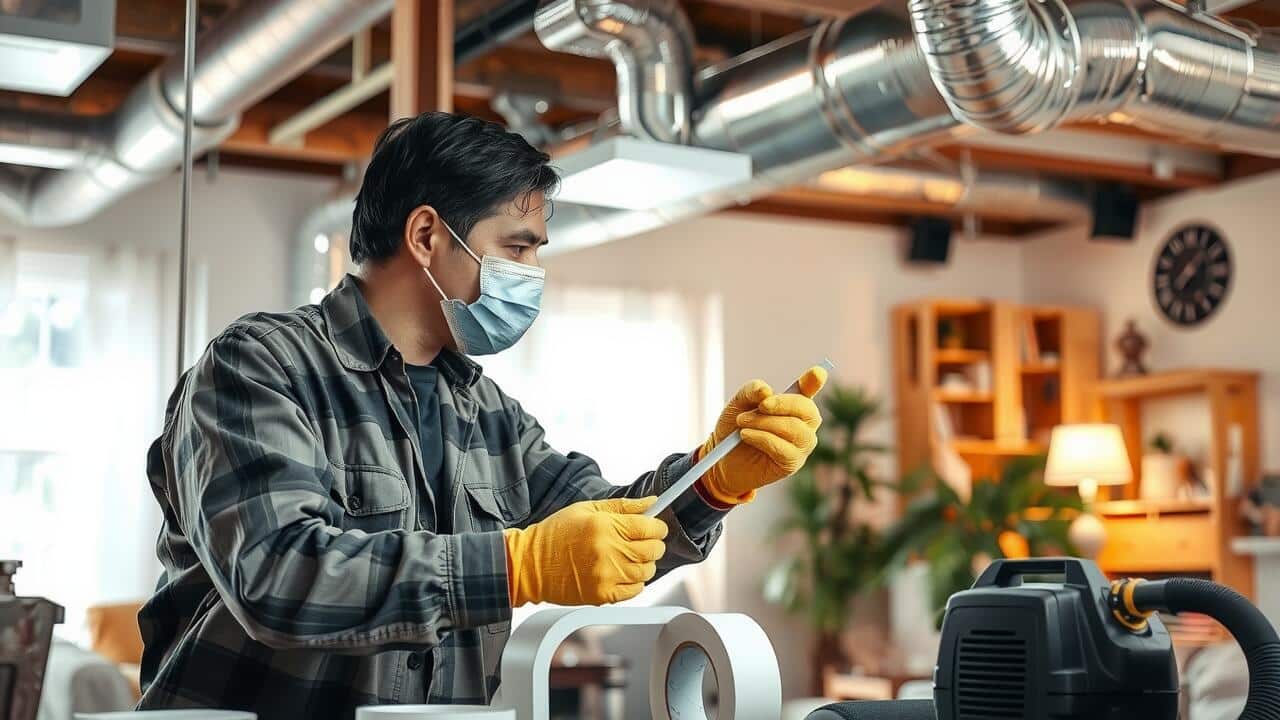
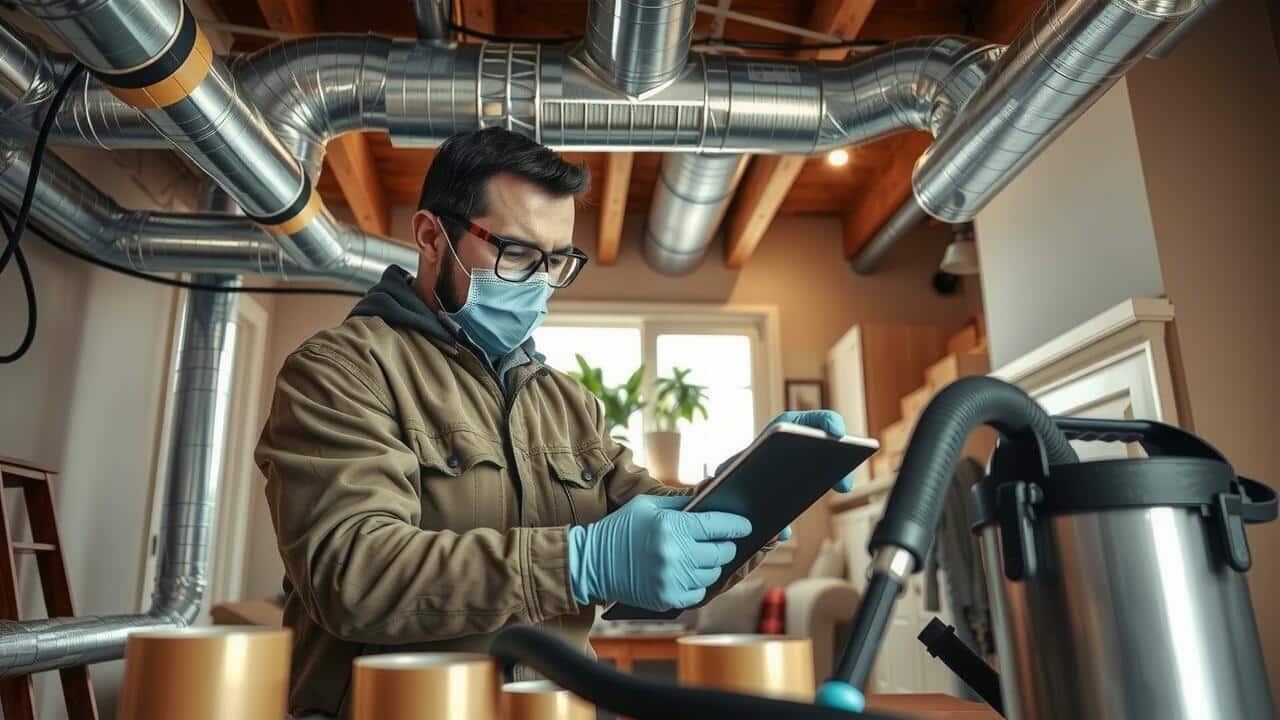
When considering air duct sealing, homeowners often face the choice between hiring professionals or tackling the project themselves. Professional services offer expertise, access to specialized tools, and a thorough understanding of building codes and regulations. They can inspect the entire system for leaks, ensuring a comprehensive seal that maintains efficiency. This option often includes warranties or guarantees, providing peace of mind that the job was done correctly and will last over time.
On the other hand, DIY duct sealing can be a cost-effective solution for those willing to undertake the challenge. Homeowners can learn proper sealing techniques through online resources and possibly save on labor costs. While this approach allows for greater control over the project, it also comes with risks. Mistakes in the sealing process can lead to inadequate results, wasting both time and resources. It’s essential to weigh the benefits of professional expertise against the potential for personal accomplishment in DIY air duct sealing.
Pros and Cons of Each Approach
When considering air duct sealing, the professional approach often guarantees quality and thoroughness. Experts are trained to identify problem areas that may not be immediately visible. Utilizing specialized equipment and materials ensures that the sealing process is effective. However, this route can be more costly than a DIY option. Homeowners may worry about the expense and additional fees associated with hiring a contractor.
On the other hand, the DIY approach can save money and allows homeowners to take matters into their own hands. Many kits are available for those looking to seal their air ducts themselves, which can make the task seem manageable. Nevertheless, the lack of expertise may lead to improper sealing and could ultimately result in increased energy costs. Achieving the same standard of air duct sealing as a professional might be challenging for those without experience.
Impact on Indoor Air Quality
Air duct sealing plays a significant role in enhancing indoor air quality. When ducts are sealed properly, they prevent outside pollutants such as dust, allergens, and mold from entering the home. This can lead to a cleaner environment, especially for individuals with allergies or respiratory conditions. Improved air quality can also enhance comfort as the HVAC system becomes more efficient in circulating clean air.
On the other hand, unsealed ducts can exacerbate indoor air problems. Leaks can allow contaminants to infiltrate the system, leading to inefficient airflow and increased energy consumption. Moreover, contaminants can circulate throughout the home, which may trigger health issues over time. By investing in air duct sealing, homeowners can realize long-term benefits that contribute to a healthier living space.
How Sealing Affects Airborne Pollutants
Air duct sealing plays a significant role in shaping indoor air quality by reducing the entry of pollutants into the ventilation system. Leaky ducts can allow dust, allergens, and other contaminants to infiltrate the airflow, negatively impacting the air people breathe. When air duct sealing is performed, the gaps and cracks that allow outside air and particulates to enter are effectively closed off. This creates a cleaner and more controlled environment within the home or building.
Furthermore, sealed ducts help maintain consistent temperature and pressure within the system, which can aid in ventilating processed air better. A well-sealed duct system minimizes the chance for polluted air to linger, thereby lowering the levels of airborne irritants. Homeowners can expect a noticeable improvement in overall air quality, which can be especially beneficial for individuals with respiratory issues or allergies. Effective air duct sealing can lead to healthier indoor environments over time.
Longevity of Sealed Ducts
The longevity of sealed ducts largely depends on the materials used during the Air Duct Sealing process and the conditions in which they operate. High-quality sealants can last for several years, while lower-quality options may start to degrade sooner. Regular maintenance and inspection play a significant role in extending the lifespan of sealed ducts. Homeowners should consider scheduling periodic checks to ensure that the seals remain intact and functional over time.
Environmental factors can also influence the durability of duct sealing. Changes in temperature and humidity levels can put additional stress on the seals. Additionally, the overall wear and tear from the HVAC system’s operation can affect how long the sealing lasts. Taking proactive measures, such as keeping the HVAC system well-maintained, can enhance the effectiveness of Air Duct Sealing and maximize its benefits for indoor air quality and energy efficiency.
How Long Can You Expect the Benefits to Last?
The longevity of the benefits from air duct sealing can vary significantly based on several factors. Materials used during the sealing process can determine durability. Using high-quality sealants may extend the effectiveness of the seal, while inferior products might lead to early deterioration. Additionally, the overall condition of the ductwork and the installation method can also affect how long the benefits last.
Regular maintenance plays a crucial role in preserving the gains from air duct sealing. Conducting periodic inspections can identify any wear and tear before it becomes a significant issue. Cleanliness in surrounding areas, like avoiding excessive dust buildup, can enhance the sealed system’s efficiency. Homeowners who stay proactive about maintenance are likely to enjoy better results and longer-lasting performance.
FAQS
What is duct sealing?
Duct sealing is the process of closing off leaks in your air ducts to improve the efficiency of your heating and cooling system, reduce energy costs, and enhance indoor air quality.
What are the signs that my air ducts need sealing?
Common signs that your air ducts may need sealing include uneven heating or cooling in your home, increased energy bills, excessive dust accumulation, and noticeable fluctuations in indoor air quality.
Can I seal my ducts myself, or should I hire a professional?
While DIY duct sealing is possible, hiring a professional is often recommended for optimal results. Professionals have the necessary tools, expertise, and experience to identify and seal all potential leaks effectively.
How does sealing my ducts improve indoor air quality?
Sealing your ducts can reduce the entry of airborne pollutants such as dust, allergens, and mold into your home’s air supply, which can significantly enhance indoor air quality.
How long can I expect the benefits of sealed ducts to last?
The longevity of sealed ducts can vary, but with proper materials and techniques, you can expect the benefits to last anywhere from 5 to 15 years, depending on factors such as maintenance and environmental conditions.