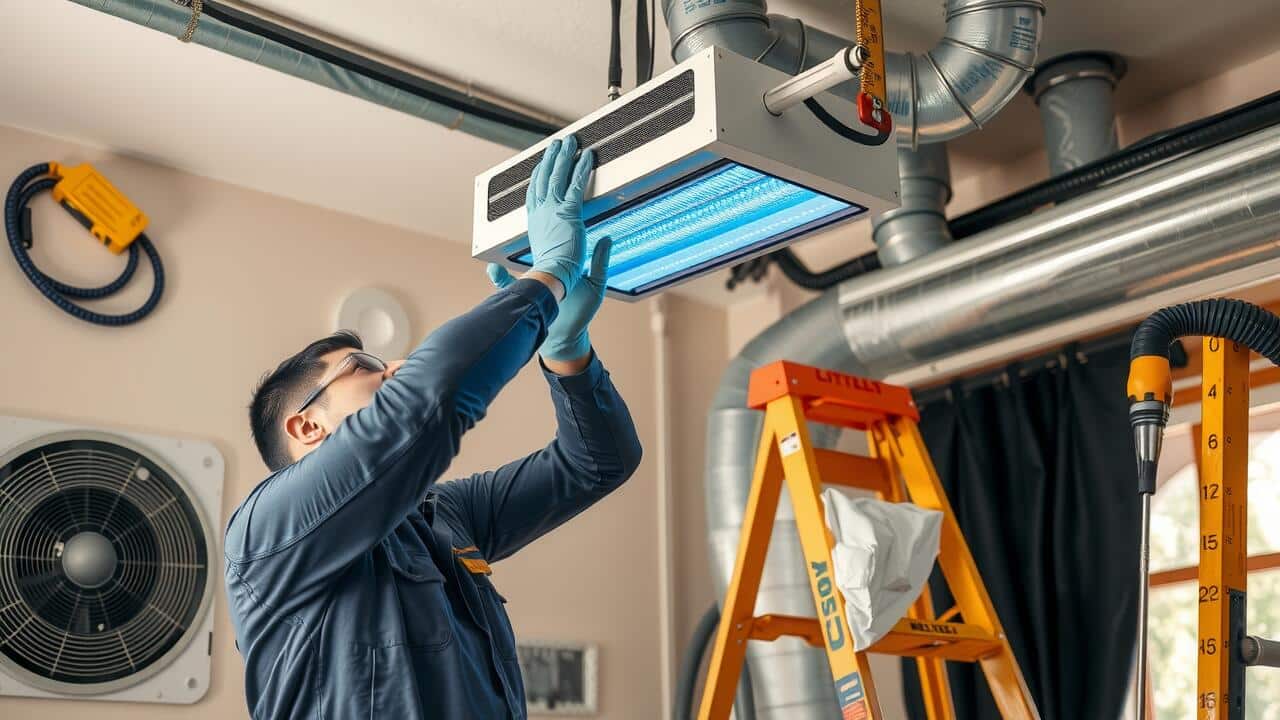
At One Step Air Duct Cleaning Lewisville TX, we specialize in enhancing the air quality of your home with our UV Light Installation service. Our expertly designed UV light systems are strategically placed within your HVAC system to effectively eliminate harmful airborne pathogens, including bacteria, mold, and viruses, ensuring that you and your family breathe cleaner, healthier air. This preventive measure not only improves indoor air quality but also helps in maintaining the efficiency of your heating and cooling systems by reducing the buildup of contaminants. Trust One Step Air Duct Cleaning to provide you with a safer, more comfortable living environment with our reliable and professional UV light installation services.
Safety Precautions
When installing UV lights in your HVAC system, proper safety precautions are essential to ensure a secure and effective setup. Always wear appropriate personal protective equipment, including gloves and safety glasses, to shield yourself from potential hazards. UV radiation can be harmful to skin and eyes. Make sure to turn off the power supply before beginning any installation work to avoid electrical shock. Familiarizing yourself with the specific requirements of your UV lamp and ballast will help streamline the installation process.
Handling ductwork requires caution as well. Use a hole saw and duct tape to create openings for UV lights without compromising the integrity of your system. Be mindful of wiring and airflow when positioning the UV lamp. Any exposure to volatile organic compounds (VOCs) or debris can affect indoor air quality and efficiency. Regular maintenance is crucial for ensuring the longevity of your UV light, so plan for easy access to the bulbs for replacement and cleaning.
Protecting Yourself During Installation
Installing UV light systems requires attention to safety due to the unique hazards involved. Technicians should wear appropriate personal protective equipment, including gloves and goggles, to shield themselves from potential exposure to UV rays. Ensuring the circuit breaker is turned off before beginning any electrical work is crucial to prevent electrical shock. Use tools such as screwdrivers and pliers with insulated handles to handle electrical components safely. Additionally, maintaining a clean workspace helps avoid accidents related to slips or falls, especially when working with sheet metal or other hardware materials.
Understanding the risks associated with UV technologies can mitigate health problems during installation. UV lights can emit electromagnetic radiation, so following guidelines for safe exposure is essential. Technicians should also be cautious of handling UV-C lights, as these can lead to skin irritation or eye damage if mishandled. Proper training in dealing with electrical wiring and knowledge of the components involved, such as bulbs and ballasts, can ensure a smooth installation process. Addressing these precautions will significantly reduce the likelihood of accidents or injuries, allowing for a safer working environment.
Energy Efficiency of UV Systems
The energy efficiency of ultraviolet (UV) light systems plays a crucial role in enhancing indoor air quality while reducing operational costs. These systems operate with low wattage, often utilizing LED bulbs or UVC lamps designed to emit specific wavelengths of light effective at neutralizing airborne pathogens. By targeting contaminants such as mold, mildew, and other biological particles, UV disinfection helps maintain cleaner air within ducts and reduces the burden on traditional filtration systems. This efficiency can also translate to lower energy consumption, contributing to an overall healthier living environment.
Investment in UV light installation can lead to significant long-term savings, especially in homes or buildings where air pollutants, including tobacco smoke and allergens, are prevalent. Properly maintained UV systems require little upkeep and can effectively prolong the lifespan of HVAC components by minimizing the growth of harmful microorganisms. Although the initial installation costs may be a consideration, the potential reduction in health-related issues and enhanced quality of life often outweigh the expenses, making it a worthwhile consideration for homeowners and business operators alike.
Understanding Energy Savings
Ultraviolet (UV) lights play a vital role in enhancing the energy efficiency of heating, ventilation, and air conditioning (HVAC) systems. By incorporating a UV light purification system, homeowners can improve the overall air quality in their spaces. These systems target mold, bacteria, and other airborne microbes, significantly reducing the need for excessive air filters and frequent duct cleaning. As a result, air handlers can operate more efficiently, preventing the system from overworking and, in turn, lowering energy consumption.
Investing in UV light systems ultimately yields cost savings in the long term. Cleaner air reduces the strain on HVAC components, leading to extended lifespan and minimized repair costs. Additionally, well-maintained ductwork ensures that heating and cooling systems run smoothly. The use of germicidal lamps helps mitigate poor air quality and the associated health risks, contributing to a healthier living environment while maintaining energy-efficient practices. The initial cost may seem significant, but the benefits gained from improved performance and reduced utility bills often make it a worthwhile investment.
Potential Risks and Challenges
Installing UV light systems can introduce several potential risks and challenges that must be carefully considered. Exposure to UV radiation poses health hazards, including skin cancer and cataracts, making protective eyewear essential. The installation process may involve using power tools like saws and drills, which can create risks of burns and injuries from flying debris such as sawdust. Electrical hazards must also be addressed, ensuring that installations comply with local electrical codes to prevent malfunction or fire.
Maintaining the UV lights involves dealing with issues like the buildup of dust and slime on bulbs, affecting their efficiency and lifespan. These contaminants often come from airborne particles, which can also create asthma triggers for sensitive individuals. Regular upkeep is necessary to avoid corrosion of components, which can lead to system failure. Moreover, utilizing improper storage methods or extension cords may increase the risk of electrical problems, posing additional safety concerns during use.
Addressing Common Issues
Installation of UV light systems can present some common challenges. Improper alignment of the UV lamps may reduce their effectiveness in purifying the air. Regular maintenance and repairs are essential to ensure that the units are functioning optimally. Adjusting the angles of the bulbs can help target areas where pollen and molds tend to accumulate, improving air quality. Users may also experience issues related to the noise generated by the system, particularly if the mounting is not secure.
Another concern is the impact of UV light on various materials within the ductwork, particularly plastics. Over time, prolonged exposure can lead to a degradation of these materials, resulting in increased maintenance costs and possible repairs. Safety precautions must be a priority during installation to avoid any hazards linked to radiation exposure or chemical reactions. Effective training and the use of personal protective equipment, such as safety glasses, are strongly recommended to mitigate risks and enhance overall customer satisfaction with the system’s performance.
FAQS
What are the safety precautions I should take when installing UV lights?
It’s important to wear protective gear, such as gloves and safety glasses, and to ensure the power is turned off at the breaker before starting the installation. Additionally, follow the manufacturer’s instructions carefully to avoid any accidents.
How can I protect myself during the installation of UV lighting?
In addition to wearing protective gear, make sure to work in a well-ventilated area. Keep the installation area free of any hazards, and if you’re unsure at any point, consider consulting a professional.
How do UV light systems contribute to energy efficiency?
UV light systems are designed to use less energy than traditional lighting. They can effectively reduce heating and cooling costs by improving air quality and reducing the load on HVAC systems.
What kinds of energy savings can I expect from installing UV lights?
Energy savings can vary depending on the system and usage, but many users report a significant reduction in energy bills due to improved efficiency and decreased reliance on other energy-consuming systems.
What are the potential risks and challenges associated with UV light installation?
Common challenges include improper installation, which can lead to reduced effectiveness, and potential exposure to UV radiation if safety guidelines are not followed. Regular maintenance is also essential to ensure the system functions properly over time.